5 industries that are revolutionary disrupted by 3D printing

Imagine that you could reproduce any physical object. What would you chose? A key? A house? A nostalgic toy that you lost as a kid? This is where we are going folks.

matter_replicator

Printing solid objects from plastic is just the beginning. The printing industry is adding color, texture and new materials, that can be combined into any construction. Prices are dropping by the demand and the printers are getting faster and more accurate. Just like the Personal Computers entered our homes 30 years ago, these machines are soon everywhere.

Ok, but is this just printing in one more dimension right? Hell no. This is an internet connected replicator. Any object that you can download in ones and zeros, you can create. Here are five industries that will be turned upside down.

Cars and vehicles

You’ll never need to order another spare part for your car or bike. You or your mechanic can just create one on the fly based on the online 3D-repository of your car manufacturer.

Fashion and jewellry

Anything you can draw on your computer, can be created. Just design a garment on top of a size 5 3d-model. Let the computer calculate measures for the other sizes and you are done. You are ready to sell you collection world wide online and even let customers add custom modifications to details and cuts. Same with jewellery. Endless possibilities and it’s happening already. Artists are already manufacturing printed jewellery and selling in uptown shops in New York City.

Construction

This is the core of what 3D-printers do. Sure you can print spare parts, tools and even pipes or custom house interior, but the true revolution will appear when you can 3D print entire buildings. Imagine internet connected spider like robots sweeping back and forth, day and night with atomic precision. It’s all a matter of cost.

Transport and logistics

Scan an object in one location. Ship it digitally. Re-assemble it somewhere else. 200 years of international infrastructure will take a blow from this. It might not be tomorrow, or the year after but in a not too distant future. Commercial goods will not only be sold online, but shipped online.

Sex

Ok, I’ll leave this one for your imagination.

Why Agile Business Development is more effective

http://www.flickr.com/photos/rossbeane/965314248/sizes/n/in/photostream/

http://www.flickr.com/photos/rossbeane/965314248/sizes/n/in/photostream/Ever tried to find a partnership to help grow your customer base? Well, that’s one of the most important tasks for a business developer. This post focuses on that task and how to improve it by using inspiration and tactics from the world of agile software world.
Enter Agile Business Development.

To explain what agile business development is all about I’ll refer to the man that coined the term and presented it during an interview with Mixergy; Harley Finkelstein. He is the Chief Platform Officer at Shopify and has found great ways to use the analogies from the agile movement and apply them to building partnerships and business development.

Agile is about reacting to change and new business needs. Done is better than perfect and focus on collaboration over negotiation. If you haven’t watched/listened to the interview do it after reading this blog post. There is a link at the bottom.

What problem is Agile Biz Dev solving?

Usually partnerships can be a massive project that takes time and resources to come together. What agile does is to work in smaller steps, finding out if a relation works and if two partners have something to gain from each other. It gets something going fast. Finkelstein uses the metaphor “the teenage guy who tries to score on the first date” as the problematic methodology most commonly used in non agile biz dev. Use the following tactics to get more agile.

Stop wasting time. What are the objectives?

Skip the company presentation slides. You can send them in advance or after the meeting. Finkelstein describes a typical agile biz dev meeting as cutting right to the chase and trying to understand each other’s needs – “Here is my objective for this meeting. What is your?” Of course this can seem intrusive or aggressive at first but briefly explaining that this way has worked before (for Shopify) and that you don’t want to waste the other persons time.

Not every partnership is obvious on forehand. By stating the objectives you will develop a deeper understanding for your partners business.

Finding the centerpiece

The centerpiece is the beautiful vase or object that stand in the middle of the living room, which everybody can enjoy and talk about. It’s a common interest that makes us feel comfortable and more eager to work with each other. In Finkelstein’s example Gary Vaynerchuk was publishing his book “The Thank you economy” about the same time as Shopify was launching. As there were many key points in the book that also tied in with entrepreneurship and launching an e-commerce store, there were obvious gains in making Vaynerchuk one of the front heroes for the Shopify vision. This centerpiece was about evangelizing for entrepreneurship and increasing sales on both ends.

Finding the centerpiece is about doing research to find something that is going on right now, but also finding the passion and the driving force behind an individual or a company. It’s about identifying needs/passions, removing pains and increasing growth for others. Good examples are product releases, political stand points or in this case, a book release.

Start small and iterate

By suggesting collaboration around a small test run or a proof of concept, you gain tons of knowledge. It’s a low commit in time and money on both sides which is often key. If you perform well on the test your can use it to back a bigger project. Also, if the test fails or if your partner tries to screw you, you will have lost little compared to a situation of greater volume.

Leverage loyalty

Finkelstein refers to this point as a new type of “Greed”. He means that if you find people that are your fans you should encourage them. An Australian blogger that were sending Shopify lot’s of paying customers got a call from Finkelstein and a paycheck. They paid him retrospectively in cash according to their affiliate agreement to make him a loyal follower for the coming decade.

I don’t agree with Finkelstein on the payment reward. I think just the fact that he got noticed and contacted was worth so much more. By paying your contributors you turn them into employees and changing their incentive on why they want to help. Make sure to build partnerships with fans that last by making them feel special.

Don’t forget about timing

If you try to sell yourself on the same day as your potential partner is stressed out over a product launch, is leaving on vacation or just having a crappy day you are less likely to succeed. Your timing can be improved by simply following the news, monitoring when companies are likely to release new products or when authors are about to release books.

Relations, rejections and rebounds

This ties in with the Timing issue. If you catch your potential partner at a bad time it is likely that your will be rejected with no way to comeback. By offering a way out of your proposal without the partner loosing face, you can come back at a later time and be more successful.

The basic layup:
”I know you are super busy. I’m in town beginning next week. It would be great to meet you, but if you can’t that’s fine too”.

This works well for media relations too. You might have a strong PR message that you want to reach out with that is not a 100% relevant for one certain news site. Just offer a way out without destroying the possibility of future talks.

“I hope this is relevant. If not, I still hope I can buy you a beer on conference X this fall. “

That’s it. That’s the basics of agile biz dev. Please comment and add more discussion to this subject.

Mixergy link: http://mixergy.com/harley-finkelstein-shopify-interview-2
It’s probably behind a paywall but it’s worth paying for mixergy!


Tre helt olika trender för att betala med mobilen

https://www.izettle.com/se/press

https://www.izettle.com/se/pressAtt betala med mobilen är hetare än någonsin och startups över hela världen försöker naila den gyllene processen. Här är tre konkurrerande trender att hålla koll på.

Kortläsaren

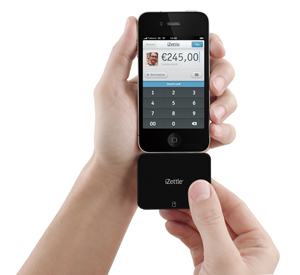
Svenska iZettle och amerikanska Square tar betalt med kreditkort i mobilen, men hjälp av en liten dosa som ansluts till mobilen. Hela transaktionen sköts snabbt och säkert. Trovärdighetsbarriären övervinner de sakta men säkert då dosorna används allt oftare i samband med mässor och köp mellan privatpersoner.

Revolutionen stavas NFC

Det som hela branschen hoppas på är genomslaget av s.k. Near field communication (NFC) på bred front för smartphones. NFC skulle i grunden kunna sköta en transaktion genom att du bara nuddar din mobil mot exempelvis en kassa-terminal.

Google har tagit lead på utveckling av NFC genom sitt mobila operativsystem Android och i samband med lanseringen av Google Wallet, som helt enkelt är ett konto som du använder för online och offline-betalningar med NFC. Visa och Mastercard tittar också givetvis på detta och har egna appar för det.

Techcrunch hävdar dock betalningar med mobilen är en bubbla som försöker lösa ett problem som inte existerar. Kreditkort är fortfarande överlägsna. Deras omedelbara kritik är att en NFC-lösning inte gör något lättar i praktiken. Du måste dessutom flytta en del av ditt finansiella liv till en NFC-lösning som exempelvis Google Wallet.

Mobilkameran har störst penetration

Många hävdar också att då NFC-tekniken inte är utbyggd i alla smartphones måste det till en mer generisk variant – via mobilkameran och med hjälp av QR-koder.
Svenska Seamless tillhandahåller en app som du kan betala med online i utvalda butiker genom att läsa av en QR-kod med mobilkameran. De möts av konkurrens från bland andra svenska Payair och amerikanska QRpay Även bank of america har börjat testa denna teknik nyligen med hjälp av en white label lösning från Paydient.

Offlinebetalningar i mobilen kommer att vara en del av vårt liv eftersom vi använder mobilen till så mycket annat. Det är en del av vår kultur och beteende. De kommer inte att ersätta kreditkortbetalningar i första taget, men det finns många aktörer som vill ta del av värdekedjan och med intressanta innovationer.

Har du fler spaningar inom detta får du gärna dela med dig av dem i kommentarsfältet.

Detta händer inom bank och pengar just nu

Förra året skrev jag en uppmärksammad artikel om vad som är fel med våra internetbanker.
Denna vecka kommer jag skriva en serie poster om pengar och banker med lite nyheter och trender.

Startups tittar på disruptive-möjligheter för bankväsendet. Bankerna tittar på nya sätt att hitta produkter till sina kunder. Alla ögon ligger på mobilen som ny digital plånbok. Ska Apple eller Google lansera en revolutionerande betalningstjänst för smartphone? Hur många led i värdekedjan kan man kapa för att kunderna ska få bästa billigaste tjänst? Många frågor, men vi börjar med ”den nya” banken.

Den nya online-banken?

Simple – tidigare kallad bank Simple har varit ett lovande namn ett tag och har börjat få in användare. Banken är egentligen inte en bank, utan ett skal med samarbeten med andra banker under huven. Men du sluter avtal med Simple. Du får ett visakort som du kan använda var som helst. Simple vill göra det enklare att hålla koll på din ekonomi och det gör de bra, men kritiken mot tjänsten är att detta är det enda den gör. Underbar användarvänlighet, statistik och smidiga formulär räcker bara en viss sträcka. Det passar kanske de som har svårt att hålla i pengar, men inte så mycket mer. Det saknas helheten med sparande, pension och lån.

Mint.com är ett presentationslager för dina transaktioner, som gör det lätt att följa din ekonomi. Det är en read only-service så du kan inte använda den som bank, men har fått stort genomslag i USA.

Fidor bank – Ett tyskt initiativ som går under benämningen ”Banking mit freunden”. De lägger stor tonvikt på det sociala spelet. Du kan logga in på bankens system med Facebook connect. Dina pengars ränta ökar exempelvis efter hur många likes Fidor har på sin Facebook-sida.

Swish – För över pengar till vänner och familj med Swish app och Mobilt Bankid. Danske bank, Handelsbanken, Länsförsäkringar, Nordea, SEB, Swedbank och Sparbankerna har gått samman för denna satsning som ska underlätta handel och transaktioner mellan privatpersoner. De lanserar i slutet av 2012. och jag återkommer till dessa i en senare post.

Kommentera gärna på detta och ge fler exempel på nytänkande tjänster eller utmaningar för bank 2.0.
I nästa post diskuterar jag nutiden och framtiden för offline-betalningar.